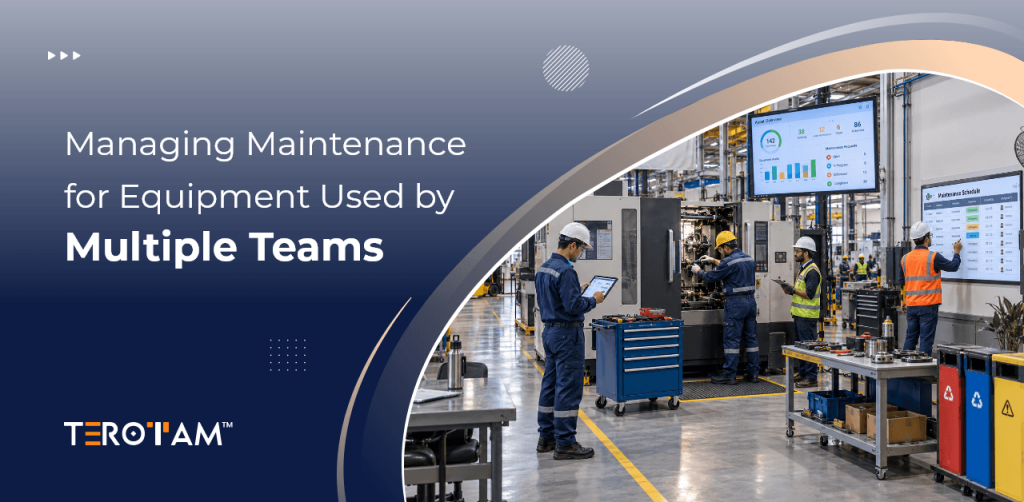
Indian manufacturing companies are increasingly adopting computerized maintenance management systems (CMMS) to reduce downtime, manage spare parts, and comply with safety regulations. However, many implementations underperform not because the technology is flawed but because the selection process overlooks real world operational constraints. These include unstable internet, multilingual teams, legacy machinery, limited IT support, and tight budgets.
A technically sound evaluation must test how a CMMS behaves under actual plant conditions, not just during a scripted demo. Can a technician log a breakdown in a Wi-Fi dead zone? Can statutory inspection records be generated for local inspectors? Does the system work on the same Android phone used for WhatsApp and attendance? When these questions go unasked, companies end up with tools that look impressive in boardrooms but fail on the shop floor.
Below are ten common mistakes and how to avoid them.
Critical Mistakes in CMMS Selection by Indian Manufacturers
Choosing a CMMS might seem like a straightforward software decision, but in the Indian manufacturing context, it is deeply tied to infrastructure limits, workforce diversity, and regulatory complexity. Many plants end up with systems that look good on paper but fail during daily use because the evaluation focused on features rather than function. These ten mistakes reflect real world gaps between what vendors promise and what shop floors actually need—from offline reliability to statutory compliance—and highlight why fit matters more than specs.
1. Prioritizing Low Price Over Functional Fit
Many buyers treat CMMS as a commodity and select the cheapest option available. They assume basic features like work orders and asset lists are standard across all platforms. In reality, low cost systems often lack offline access, regional language support, or integration with Indian financial workflows. This leads to manual workarounds, data duplication, and eventual replacement within a year, making the low cost choice far more expensive in the long run.
2. Overvaluing Cloud Dashboards While Ignoring Offline Core Tasks
Decision makers are often drawn to real time analytics, colorful graphs, and AI powered reports during vendor demos. But if the system cannot create or update work orders without the internet, it becomes useless during critical breakdowns, especially in plants with patchy or metered connectivity. A CMMS must support full task execution offline, not just data viewing.
3. Assuming All Users Are Comfortable With English
While plant managers may operate fluently in English, junior technicians, contract workers, and shift supervisors often rely on Hindi or regional dialects. Requiring them to navigate technical menus in a foreign language leads to skipped steps, incorrect part usage, or incomplete logs. Language mismatch directly reduces data quality and system adoption.
4. Neglecting Integration With Indian Accounting Software
Many CMMS platforms export data in formats incompatible with Tally, Busy, or Zoho Books. As a result, maintenance teams manually re-entered spare parts consumption, vendor invoices, and purchase orders into accounting systems. This not only wastes time but also creates discrepancies during GST audits and inflates month end reconciliation efforts.
5. Choosing Based on Global Brand Name Instead of Local Relevance
International CMMS vendors often lack awareness of India specific regulatory requirements. For example, boiler inspection frequency varies by state under the Indian Boilers Act, and electrical safety checks follow different cycles across regions. A generic annual reminder does not meet legal obligations, exposing plants to compliance risks.
6. Underestimating Deployment Time and Training Needs
Some CMMS solutions require weeks of configuration, custom scripting, or external consultants to become functional. Small and medium plants with no dedicated IT staff cannot afford this delay. Lengthy deployments lead to lost momentum, frustrated teams, and abandoned rollouts before the system ever delivers value.
7. Failing to Test Mobile Performance on Budget Android Devices
Vendors often demo their apps on high end smartphones. In reality, Indian technicians commonly use low cost Android devices with 2 GB RAM, limited storage, and slow processors. If the CMMS app is heavy, crashes frequently, or refuses to install, it will be abandoned within weeks regardless of its feature set.
8. Overlooking Asset Identification in Mixed Vintage Plants
Many Indian facilities operate machines from multiple decades, often without serial numbers, nameplates, or standardized naming. Without a reliable way to identify assets, technicians assign work orders to the wrong equipment. This corrupts failure history, skews MTBF calculations, and voids warranty claims due to misreported usage.
9. Ignoring Shift Handover Gaps in Multi Team Operations
Maintenance in India typically runs across three shifts with overlapping responsibilities. If a night shift technician logs a pending issue but the day shift team cannot see it, or if escalation rules do not account for holidays, the problem gets duplicated or ignored. Poor handover logic breaks continuity and increases repeat failures.
10. Skipping Real Breakdown Scenarios During Vendor Evaluation
Most evaluations rely on scripted demos that show ideal workflows with clean data and single user actions. But real maintenance involves urgent failures, shared devices, verbal coordination, and offline updates. Companies that do not test the CMMS using actual plant scenarios, like scanning an old motor or logging a fault without internet, risk selecting a system that cannot handle daily pressures.
How TeroTAM is Built to Avoid These Pitfalls
TeroTAM was developed specifically for the operational realities of Indian manufacturing. It does not assume perfect infrastructure, uniform literacy, or stable connectivity. Instead, it embeds resilience into every layer, from offline first mobile access and bilingual interfaces to statutory compliance logic and Tally ready data exports.
The platform supports full work order execution without the internet, offers Hindi and English at the user level, and generates CSV files compatible with Tally Prime. It includes location aware inspection scheduling, QR based asset tagging that works on legacy machines, and shift aware escalation that respects holidays and leave calendars. Deployment takes days, not weeks, and the mobile app runs smoothly on budget Android devices.
Unlike global alternatives that retrofit localization as an afterthought, TeroTAM treats Indian context as foundational. Every feature is tested in real plants, not labs, to ensure it works where maintenance actually happens.
Summing it up
Selecting a CMMS in Indian manufacturing requires moving beyond price tags, brand names, and polished dashboards. The right system must function reliably in your actual environment, with or without internet, in Hindi or English, and in full alignment with local regulations and business tools. Avoiding these ten mistakes ensures your investment delivers measurable uptime, cost control, and compliance from day one.
TeroTAM is purpose built for this reality, offering industrial grade maintenance management without unnecessary complexity or global assumptions. To see how it performs in your specific plant, contact our team at contact@terotam.com for a live, no script demonstration using your equipment types, shift patterns, and reporting needs.