
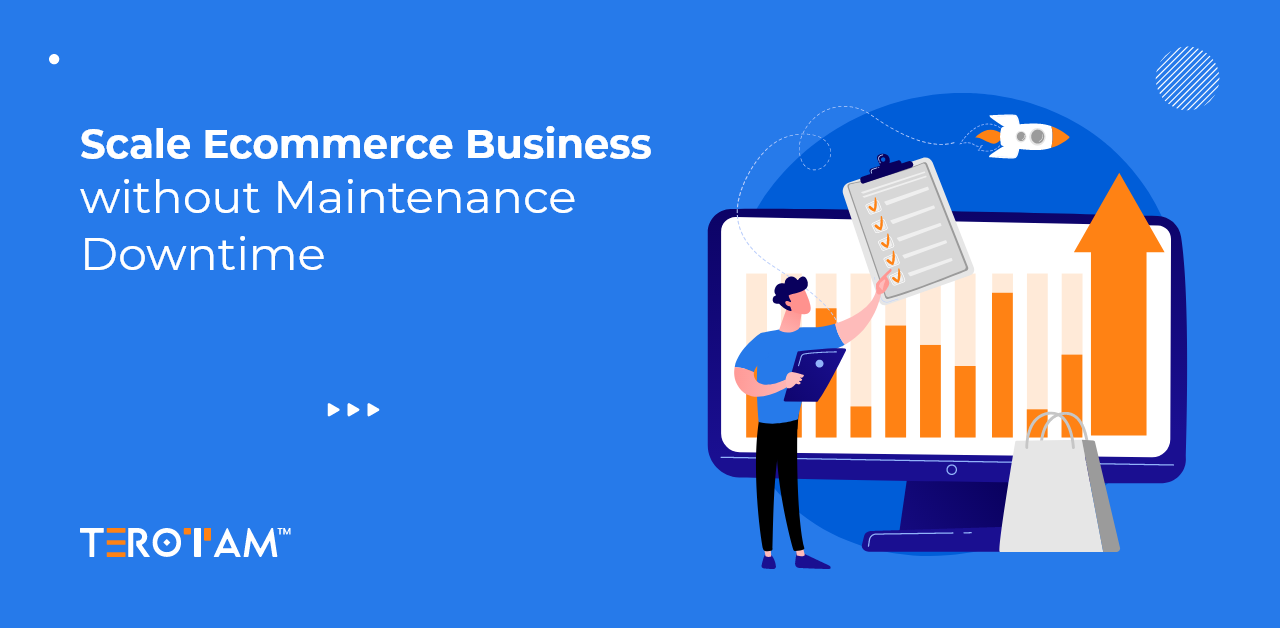
eCommerce businesses expanding beyond a single fulfillment center face mounting pressure to maintain equipment reliability across multiple warehouses while meeting customer delivery promises. Conveyor systems breaking down during peak holiday seasons, packaging equipment failing mid-shift, and HVAC systems malfunctioning in climate-controlled storage areas can halt fulfillment operations and trigger cascading delivery delays across the entire network.
Manual maintenance approaches create dangerous bottlenecks during expansion. Spreadsheets cannot track assets across locations consistently. Reactive repairs disrupt fulfillment during Black Friday and Cyber Monday rushes when every minute of downtime costs thousands in lost revenue. Inconsistent maintenance standards between warehouses lead to unpredictable equipment failures that undermine customer trust and brand reputation.
CMMS platforms provide centralized control over maintenance operations across the entire location portfolio, enabling scalable growth without sacrificing equipment reliability or operational efficiency. These systems transform maintenance from a location-specific overhead into a strategic advantage that supports rapid expansion into new markets and fulfillment territories.
Why eCommerce Growth Exposes Maintenance Gaps
Equipment downtime during peak seasons creates revenue leakage that compounds across multiple locations. A single conveyor system failure can halt 15,000+ orders per hour during holiday rushes. Without preventive maintenance automation, equipment operates until failure—creating emergency repair costs that average 3-5 times planned maintenance expenses while disrupting fulfillment schedules across the entire network.
Inconsistent maintenance standards between warehouses create operational unpredictability. One location may perform weekly conveyor inspections while another relies on quarterly checkups. These variations lead to equipment failures at different intervals, making it impossible to forecast maintenance budgets or plan expansion timelines confidently. Regional managers lack visibility into asset health across the portfolio, forcing reactive decision-making when equipment fails rather than proactive replacement planning.
Reactive repair costs erode profit margins during critical expansion phases. Emergency parts procurement, overtime labor, and expedited shipping to meet delivery commitments drain resources that should fund new location openings. Without centralized spare parts inventory tracking, one warehouse may have excess conveyor belt stock while another location pays premium prices for overnight delivery during equipment failures.
How CMMS Solves Multi-Location eCommerce Maintenance Challenges
CMMS platforms provide centralized visibility and control across all warehouse locations, enabling facility managers to monitor asset health, track maintenance performance, and allocate resources efficiently from a single dashboard. Regional supervisors view equipment status across the entire portfolio simultaneously, identifying locations requiring immediate attention versus those operating within acceptable parameters.
- Centralized asset registry tracking conveyor systems, packaging equipment, material handling machinery, and HVAC systems across all warehouses and fulfillment centers
- Preventive maintenance automation ensuring consistent standards at every location with runtime-based triggers rather than arbitrary calendar dates
- Real-time work order management with location-specific technician assignments and mobile updates from warehouse floors
- Spare parts inventory optimization across multiple warehouse locations to prevent stockouts during equipment failures
- Vendor management for location-specific service providers and contracts with performance tracking and renewal alerts
- Performance analytics comparing equipment reliability, maintenance costs, and downtime metrics across locations
- Mobile access enables technicians to update work orders, capture photos, and request parts from any warehouse floor
- Compliance tracking for safety regulations and equipment certifications across all sites with automatic renewal reminders
Critical eCommerce Assets That Demand CMMS
eCommerce fulfillment centers depend on specialized equipment that requires systematic maintenance to prevent operational disruptions. These high-value assets operate continuously during peak seasons, accumulating wear based on actual runtime hours rather than calendar time—demanding maintenance triggers aligned with operational stress rather than arbitrary schedules.
- Warehouse automation systems and sortation equipment—Operate 22+ hours daily during peak seasons, requiring runtime-based maintenance to prevent failures that halt 15,000+ order processing capacity per hour
- Conveyor belt systems—Accumulate wear based on actual footage traveled and load weight, demanding preventive maintenance at precise intervals to avoid mid-shift breakdowns during Black Friday rushes
- Packaging machinery—Sealers, labelers, and boxing equipment require consistent calibration and parts replacement to maintain packaging quality and prevent shipping delays
- HVAC systems for climate-controlled storage—Protect temperature-sensitive inventory, including pharmaceuticals, perishables, and electronics, that can be compromised within hours of equipment failure
- Material handling equipment—Forklifts, pallet jacks, and automated guided vehicles (AGVs) require regular safety inspections and maintenance to ensure operator safety and equipment reliability
- Picking and packing workstations—Ergonomic equipment, scanners, and scale systems need routine calibration and maintenance to ensure order accuracy and worker productivity
- Loading dock equipment—Dock levelers, doors, and seals require preventive maintenance to prevent shipping delays and safety hazards during high-volume loading operations
- Fire suppression and safety systems—Sprinklers, alarms, and emergency equipment demand regular testing and certification to maintain compliance and protect facility assets
- Backup power generators—Critical for maintaining operations during grid outages, requiring weekly testing and quarterly maintenance to ensure reliability during peak seasons
Implementation Roadmap for eCommerce Operations
Step 1: Audit critical equipment across all existing locations
Document conveyor systems, packaging machinery, and HVAC units with model numbers, installation dates, and current maintenance practices to identify high-impact assets causing maximum disruption when they fail.
Step 2: Configure location-specific maintenance templates
Set preventive schedules based on actual equipment runtime and operational intensity—high-volume fulfillment centers receive more frequent conveyor inspections than slower locations.
Step 3: Train facility teams on mobile work order execution
Conduct 30-minute shift-change sessions demonstrating QR scanning for asset history, digital checklist completion, and real-time status updates from warehouse floors.
Step 4: Integrate spare parts inventory across the warehouse network
Establish minimum stock levels for critical components and enable cross-location transfers when one warehouse has excess stock and another location needs it urgently during failures.
Step 5: Establish performance benchmarks and track metrics
Monitor equipment uptime, mean time between failures, and maintenance costs per square foot across all locations to identify improvement opportunities and justify expansion budgets.
Step 6: Scale system to new locations during expansion phases
Replicate proven maintenance workflows from existing warehouses while customizing thresholds based on new location operational patterns and equipment specifications for day-one reliability.
Putting it to the end
CMMS transforms maintenance from location-specific overhead to a centralized strategic advantage that enables scalable eCommerce growth. Organizations gain confidence that equipment reliability won’t become the bottleneck limiting expansion into new markets and fulfillment territories.
Centralized visibility across the entire location portfolio enables proactive resource allocation, consistent maintenance standards, and data-driven expansion planning. eCommerce businesses can scale operations knowing equipment failures won’t disrupt customer delivery promises or erode profit margins during critical growth phases.
Ready to scale your eCommerce operations with centralized maintenance control? Contact multi-location CMMS specialists at contact@terotam.com for portfolio assessment and implementation planning tailored to your warehouse expansion roadmap.